
The smallholding that survived
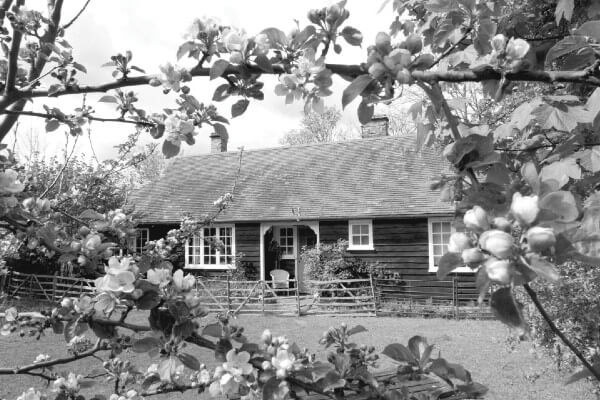
Tucked away on the edge of Tring stands a rare survivor from one of Britain’s most ambitious post-war social experiments. Today known as Jeacocks Orchard, the modest smallholding at Dunsley Bungalow is a living reminder of the years after the First World War, when the nation attempted to rebuild lives as well as landscapes.
In the aftermath of the war, thousands of returning servicemen faced an uncertain future. In response, the government expanded the Small Holdings and Allotments Acts, encouraging county councils to acquire land and create smallholdings where ex-servicemen could farm either full-time or alongside other employment. Between 1916 and 1924, more than 25,000 former servicemen applied for land in England and Wales, and more than 12,000 applications were approved. Nearly 162,000 acres were acquired nationally under the scheme.
In Hertfordshire, the initiative found support from the powerful Rothschild family, who were major landowners around Tring. In 1919, 180 acres of Dunsley Farm were sold to Hertfordshire County Council for just over £5,000 – below market value because the Rothschilds retained shooting rights for 10 years. The land was then divided into plots for local applicants hoping to build new lives from the soil.
One of those applicants was E.A. Jeacocks. A former soldier with the Suffolk Regiment and employed locally as a head gardener for the Rothschild estate, Mr Jeacocks applied for two acres and a cottage so he could establish a fruit orchard and plant nursery close to his work. In 1921, his request was granted. The family moved into a newly built timber-framed bungalow on Cow Lane, paying an annual rent of £30.
The holding was modest but practical. Beside the black weather-boarded bungalow stood a barn divided into a cart shed and piggery. A deep well had to be extended from 35ft to 61ft to solve water shortages – an expensive undertaking for the council at the time. Yet the holding endured where many others did not.
Nationally, the settlement scheme produced mixed results. A Ministry of Agriculture report published in 1925 concluded that roughly 10-12% of settlers had failed financially, while experienced agricultural workers generally succeeded despite difficult economic conditions. The scheme itself proved costly to the government, but it transformed county councils into some of the largest agricultural landowners in England and Wales.
In Tring, most of the original Dunsley Farm smallholdings gradually disappeared or were heavily altered over time. Jeacocks Orchard, however, survived almost untouched.
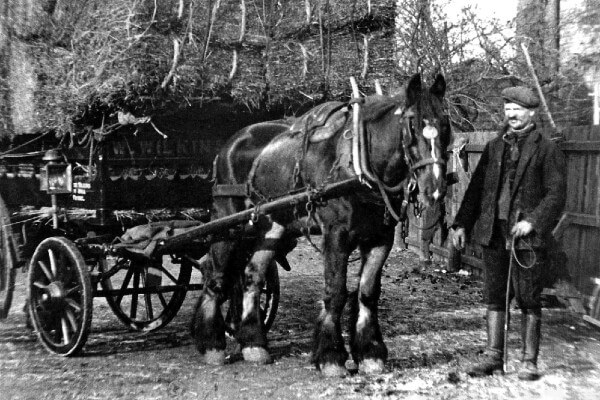
That survival now appears remarkable. The bungalow, orchard, barn and original plot remain substantially intact more than a century after construction. Historic England recognised its significance with Grade II listed status, acknowledging the holding as a nationally important survival of the post-First World War land settlement movement. The orchard’s importance grew further following research by local historians, the Tring Local History Museum and the regional heritage project Orchards East.
For a time, though, the future of the site looked uncertain. The property was reportedly close to being sold, and redevelopment for housing was under consideration. The tenant had even been told to leave. A successful campaign to highlight the orchard’s historical importance eventually secured its future, preserving not simply a house but an entire cultural landscape.
Today, Jeacocks Orchard remains productive as well as historic. The traditional orchard still yields enough fruit to produce more than 1,200 bottles of apple juice annually, while the surrounding wildflower meadows support a remarkable range of wildlife. Surveys have identified species rarely or never recorded elsewhere in Hertfordshire, underlining the ecological value of traditional orchards as well as their historical importance.
The site has attracted national attention, featuring in BBC’s Countryfile and in coverage by The Times. Yet despite the growing recognition, its greatest achievement may be something simpler: continuity.
Unlike many preserved heritage sites frozen behind ropes and information boards, Jeacocks Orchard remains alive and working. Apples are still harvested. Meadows are still cut. Families still gather beneath blossom in spring. Each year, Apple Day and Blossom Day events invite visitors to experience a landscape that links modern Tring directly with the social history of the 1920s.
Jeacocks Orchard has no grand manor house or dramatic ruins. Its significance lies instead in ordinary lives – in the determination of returning soldiers, the ambitions of reformers who believed land could rebuild communities, and the quiet persistence of a smallholding that somehow survived when so many others vanished.
More than a century after E.A. Jeacocks first planted his orchard, that vision still bears fruit.
Images courtesy of Tring Local History Society