
Can you help with vital wildlife surveys?
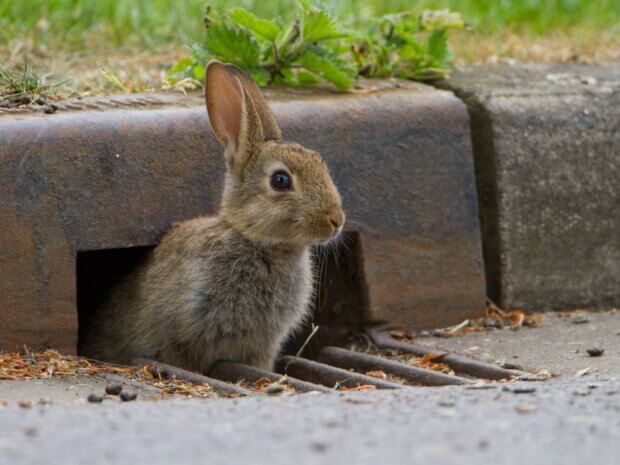
Hundreds of volunteers across the UK will be looking in their gardens, local green spaces or riverbanks over the next few months and recording their sightings in a bid to help endangered wildlife.
Wildlife conservation charity People’s Trust for Endangered Species (PTES) is calling for nature enthusiasts, families and individuals to take part in two of their key annual surveys – Living with Mammals and the National Water Vole Monitoring Programme. These record wild mammals in gardens or other urban green spaces, and along riverbanks, in streams or canals. PTES is particularly keen for more records from more unusual green spaces such as churchyards, cemeteries and allotments which are often teeming with wildlife and making it possible for everyone to take part.
David Wembridge, Conservation Research and Strategy Officer at People’s Trust for Endangered Species said: ‘Taking part in surveys like Living with Mammals and recording the wildlife around you makes a huge contribution to conservation. We want as many people as possible to take part, whether in a garden or allotment, and especially so if they can record wildlife in a local park, cemetery or other green space. It’s such a mindful activity too and the perfect time of year to connect with nature and enjoy the hopefully better weather! Please sign up – you will really be helping PTES to learn more about, and support, the wildlife on our doorstep.’
Living with Mammals (from April onwards – year-round)
Taking part in this survey couldn’t be easier – simply record online any wild mammals spotted in your garden, local park, or other shared green spaces such as allotments, churchyards and commons. You might spot a hedgehog, fox or badger, or even signs they’ve left behind such as footprints or droppings. The survey is open to everyone, and the survey website has lots of advice on how to identify the different mammals you might record.
In the last couple of years, almost a thousand sites were surveyed across the UK. The top five most frequently seen mammals in 2025 were hedgehogs, grey squirrels, foxes, mice and bats, but there were also 16 records of red squirrels (rare in England where they are rare, with only a few strongholds remaining. Last year’s data also showed that rabbit sightings continue to decline, echoing the decline seen in the countryside.
National Water Vole Monitoring Programme (15 April-15 June 2026)
Water voles have experienced one of the most serious declines of any native wild mammal in the UK, thanks to habitat loss, fragmentation, and predation from non-native American mink. Thankfully, anyone in England, Scotland and Wales can help these well-loved mammals by visiting a nearby stream, river, ditch or canal from 15 April-15 June in search of water voles (or their signs such as burrows in the riverbank, tic-tac sized droppings, or footprints) and record their findings online. This survey also requires no previous experience, and PTES offers free ID guides and online training to get started. The data produced are a vital contribution to the ongoing knowledge of this species and allow conservationists at PTES, and other organisations, to implement targeted conservation efforts to prevent further decline.
Last year, 123 waterway sites were surveyed across England, Scotland and Wales, with water voles found at 71 of them. The counties where most water voles were detected were Hampshire, Essex and Suffolk. A general increase in water vole activity was recorded across the east of England, which is encouraging and likely linked to ongoing landscape-scale American mink eradication in the region. Even where sites have showed no signs of water voles, this information is still incredibly valuable to PTES, helping them understand which areas are still suffering from the decline of what should be a widespread species.
Emily Luck, Water Vole Officer at People’s Trust for Endangered Species, explains: ‘Water voles should be a common sight along our waterways, but you are considered lucky to catch a glimpse of one these days. Their population as a whole is still in trouble, and we need as much data as possible so that we can target recovery efforts effectively. Without our citizen scientists, our understanding of the current picture would not be as complete. Please take part if you can – your data could make a huge difference to the wildlife in your local area.’
Nida Al-Fulaij, Chief Executive at People’s Trust for Endangered Species added: ‘Spring is a great time to get involved with nature and we are excited to be launching these surveys for 2026 as the important data collected with the help of the public provides are vital to our work. This information on the distribution, abundance and conservation status of many much-loved wildlife species really helps PTES support direct conservation efforts by ensuring we target the right actions in the places that need them most.’
To take part in any of these surveys or to find out more about PTES, visit ptes.org/surveys.