
Ahhh-Choose Wisely
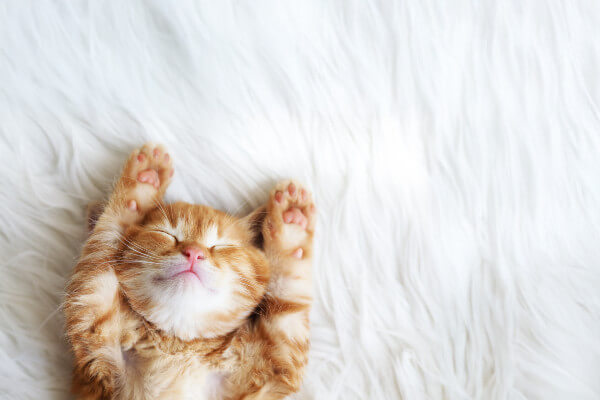
How to pick a pet that won’t irritate allergies.
Pets are part of the family, and that’s why you want to think long and hard before getting one. Things to consider often include the extent of a pet’s needs (long walks etc.), their long-term costs, and if you are the sensitive type, whether or not they may make you sneeze and itch.
The good news is that even sensitive types can still get a dog or cat, they just have to have a certain kind of coat. Some dogs have long silky hair that sheds minimally, these include Shih Tzus, Bichon Frise, Maltese, Scottish and West Highland Terriers.
Similarly, the curly coat of Poodles and Portuguese Water Dogs traps dander, reducing allergens in the environment. However, bear mind that all of these breeds require regular trips to the dog groomers, which can be costly.
Cats generally produce more allergens than dogs, but some breeds are less likely to cause reactions. These include Siberian and Balinese cats which, despite their thick fur, produce less of the allergenic protein ‘Fel d 1’; and Bengal cats whose sleek coats require less grooming and therefore release less dander.
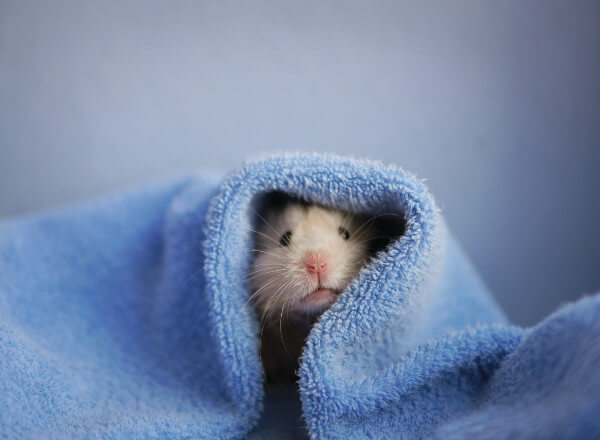
If dogs and cats are too problematic, smaller pets may be a better alternative. Unsurprisingly, fish are completely allergen-free (they also require very little care). Reptiles such as lizards, turtles and snakes do not produce fur or dander, making them suitable for allergy sufferers. And if you still want something furry, guinea pigs and hamsters are of a small size and have a manageable living space that can minimise allergens.
Another option is birds, who also have an absence of that sneeze-inducing fur (their feathers, though sometimes airborne, are far less of an irritant than hair). Parakeets, canaries and finches are all sweet little birds that will bring much music and joy to your home.
Despite taking all precautions, you may still find your pet causes the odd flare up, however there are actions that can make this less likely, such as brushing, bathing and keeping living spaces clean by frequently hoovering and dusting the parts of your home where pets spend time. Use HEPA filters to remove airborne allergens and keep pets out of bedrooms and allergen-sensitive areas, even if those big puppy dog eyes are longing to snuggle up with you at night!
Cute or Creepy?
Alternative pets for those who want something a little weird and wonderful in their life.
Bearded dragons
Native to Australia, these lizards are known for their mild temperament and distinctive ‘beard’ of spiky skin under their chin.
They require a carefully controlled habitat with appropriate lighting and temperature, but they can be very rewarding pets.
Omnivorous, bearded dragons require a diet of fresh greens (dandelion, watercress etc.) and live invertebrates (e.g. brown crickets).
Snakes
Corn snakes are a good starter snake as they are non-venomous and can get used to be being handled regularly. Like lizards, they require a suitable vivarium to regulate their natural day and night patterns, along with natural substrate to hide in and branches for playtime.
Giant African Land Snails
As you might expect, they’re big, slow and they have a marvellous shell. Growing up to 18cm in length, this is a low maintenance pet which is ideal for children, requiring a little fruit and veg for nutrients and the odd cuttle fish bone.

Remember though, they are hermaphrodites, so if you have more than one there is always potential for breeding.
Rats
Rats get a bad rap, but they are definitely on the cute side. Smart, lively and highly sociable, this is a furry friend that you can absolutely grow to love.
Just bear in mind that if you get more than one, ensure they are the same sex to avoid rat babies.