
Animal Instincts

Pet pals not only provide fun for children, they also help them develop vital skills and a wider understanding of the world.
There are few childhood moments more exciting than the anticipation of a new pet. Whether a playful puppy, reluctant rescue feline or a chubby-cheeked hamster, pets bring hours of amusement and joy, but they also help little ones foster vital attachment and emotional skills.
Furry feelings
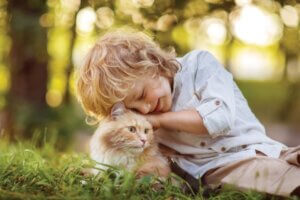
Pets act as confidants for children, offering a non-judgemental ear and a comforting presence in times of stress or anxiety.
This emotional support can help our young ones develop a sense of security and stability, which is crucial for their mental health. The unconditional love that pets provide can boost a child’s self-esteem and self-worth, making them feel valued and cared for.
Paw patrol
Pet ownership is also a fantastic way to teach a child responsibility. Understanding the consistent care and routine required once an animal enters the family, such as feeding, grooming and exercising, instils a sense of duty and accountability.
Kids also learn the value of gaining an animal’s trust, helping to develop empathy, which can be transferred to other relationships.
Four-legged friends
Interacting with pets can significantly improve the social skills of children, and especially those with autism and ADHD. Pets often serve as social bridges, encouraging children to engage in conversations and social interactions they might otherwise avoid.
For instance, a child walking their dog in the park might attract the attention of their friends, leading to opportunities for social engagement and friendship.
Pets can also be a topic of interest that children feel confident discussing, helping them lower possible social inhibitions, practise conversational skills and develop a sense of connection with others.
Love and loss
When we love an animal so dearly, the concept of them leaving us can be devastating. Having said that, accepting the realities of a pet dying can be helpful in preparing children for the inevitable losses that we all must expect as we go through life.
For all the deep love and happiness pets bring us, their loss is deeply painful, but the wonderful memories they leave will last a lifetime.