
Bee Kind
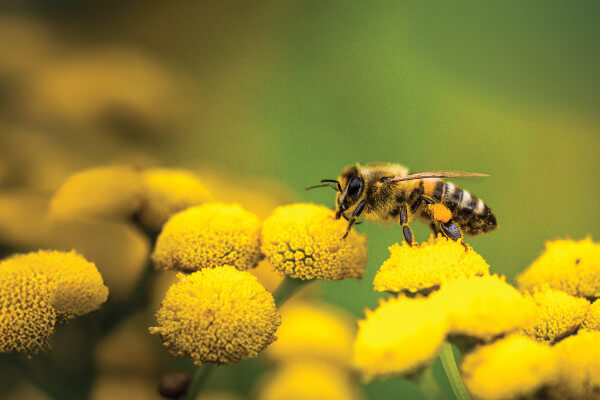
How to support your local ecosystem during autumn.
As summer fades and autumn takes hold, gardens undergo a stunning transformation. However, it’s important not to overlook the needs of local wildlife who need to prepare for the colder months.
By making thoughtful choices and adjustments to your gardening practices, you can create a sanctuary for birds, bees and other creatures during this period of change.
Understanding seasonal changes and wildlife needs
Autumn brings cooler temperatures, shorter daylight hours and a shift in the resources available to wildlife. For many species, this is a critical time to gather food, prepare nests, or find shelter for the winter.
Some birds move to sunnier climates, while others stay year-round and rely on gardens to find food and shelter.
Meanwhile, insects are seeking the last nectar and pollen sources before winter dormancy, while hedgehogs, squirrels and other creatures may need safe spaces to hibernate or store food.
Planting to support wildlife
One of the simplest and most effective ways to attract and support wildlife in autumn is through strategic planting.
Choose plants that provide food and shelter throughout the season. Late-blooming flowers like asters, goldenrod and sedum provide bees and butterflies with nectar during the final weeks of their active season. Meanwhile, shrubs such as holly, elderberry and viburnum bear fruit in the autumn that can sustain birds and small mammals.
Trees like crab apple and rowan also offer berries that remain accessible even as winter approaches. With that in mind, avoid cutting back all flowering plants; leaving seed heads intact provides a food source for birds.
Food and shelter
Place bird feeders stocked with high-energy seeds, suet, or peanuts to sustain birds during migration.
Consider adding squirrel-friendly feeders to help them prepare for the colder temperatures that are on the way. And instead of raking and disposing of all fallen leaves, allow some to remain in flower beds or under shrubs. These create a natural mulch and provide habitat for insects and small mammals.
You can also gather pruned branches and twigs to form brush piles for hedgehogs, birds and other creatures.
Finally, birdhouses and nesting boxes can be placed strategically in trees or near shrubs to give birds a safe place to roost.
What to avoid
Pesticides and herbicides that can harm pollinators and other beneficial insects, so go for organic gardening solutions to maintain balance in your garden’s ecosystem.
Also, try to limit artificial lighting in your garden, as it can disrupt nocturnal wildlife like moths and bats. Use motion-sensitive or low-intensity lights where necessary.
Then, all that’s left to do is sit back and watch the world’s greatest show.