
Reminder to Dog Owners During Lambing Season
With spring approaching, police in Hertfordshire are reminding dog owners to be responsible while out enjoying the countryside.
Sergeant Ryan Hemmings, who leads the constabulary’s Rural Operation Support Team (ROST) said: ‘We want everyone to be able to enjoy the great countryside that the county has to offer, but it’s vitally important that people do so responsibly.
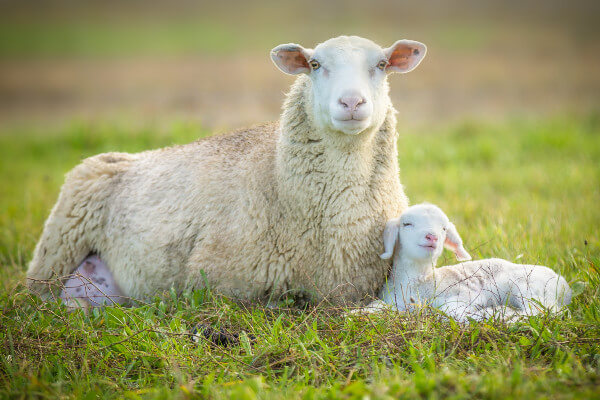
‘Many farmers are some way through their annual task of lambing and sheep in fields are likely to have lambs inside them, or have them at foot.
‘With this in mind, it’s even more important to keep your dogs under control and on leads around livestock and when using public footpaths, even if you can usually trust your pet to come when called.
‘If you live in or near an agricultural area, you must also make sure that your dog cannot escape from your property as it may find its way onto land containing livestock. Not only is it an animal welfare issue, but attacks on livestock can cause great financial loss for hardworking farmers.’
Under the Dogs (Protection of Livestock) Act 1953, if a dog worries sheep on agricultural land, the person in charge of the dog is guilty of an offence.
The act considers sheep worrying to include attacking sheep, chasing them in a way that may cause injury, suffering, abortion or loss of produce, or being at large (i.e. not on a lead or otherwise under close control) in a field or enclosure in which there are sheep.
The act does not require livestock to be killed for this offence to be committed.
Dog owners can also be convicted for ‘allowing their dog to be dangerously out of control’ and in some cases owners have been cautioned or summonsed to court.
If you see an incident of sheep worrying in progress you should call 999.
If the incident has already happened and is no longer in progress, you can report information online at herts.police.uk/report, speak to an operator in the Force Communications Room via online web chat at herts.police.uk/contact or call the non-emergency number 101.