
World Wetlands Day 2026
World Wetlands Day, Monday 2 February, encourages an international day of recognition and celebration for wetlands, but on a local level, Herts and Middlesex Wildlife Trust are working year-round to create and protect wetland habitats for people and wildlife. Against a backdrop of seismic nature decline, there are milestones of hope.
According to Hertfordshire’s State of Nature Report (2020), wetlands cover less than 1% of the county, significantly less than the 3%, which is the national average. Both the threats of flood and drought are increasing, and with nearly one in six species at risk of being lost from Great Britain, the protection and restoration of the area’s wetlands – the most super-charged of all habitats – is a priority for the Trust.
Tim Hill, Conservation Manager at Herts and Middlesex Trust says, ‘Our wetlands are natural refuges and hotbeds for wildlife, and some of our most biodiverse and productive ecosystems. They also play a vital role in our everyday lives – protecting us from the consequences of flooding, storing carbon, reducing the air temperature and providing welcome places to relax and enjoy calming moments experiencing nature. Therefore, it is in all our interests to protect the rare wetland habitats we have in this area, and also to create more of them so that all species, including humans, can thrive.’
Some of the Trust’s wetland highlights over the past year include:
Completing one of the biggest river restoration projects in the South-east
Following seven years of project planning, fundraising and delivery, the Trust completed a major river restoration project on the River Ash on the Easneye Estate, near Hertford, also creating an extensive range of new wetland habitats to benefit wildlife. This landmark project for nature’s recovery is thought to be one of the most ambitious river restoration projects to have taken place in the south east, with a 7-kilometre stretch of the chalk river restored to its original course.
Saving a wetland species from extinction
Scarce-Tufted Sedge, a critically endangered wetland plant previously found at just one site in Hertfordshire within the whole of the UK, has been brought back from the brink of extinction. Over 900 young plants were assisted to colonise at four new sites in Hertfordshire – the Trust’s Fir & Pond Woods Nature Reserve, near Potters Bar, Tarmac-owned Panshanger Park, near Welwyn Garden City, Silvermeade, in the Lee Valley Regional Park, and the Gaddesden Estate, near Hemel Hempstead.
Reintroducing an absent mammal to the river
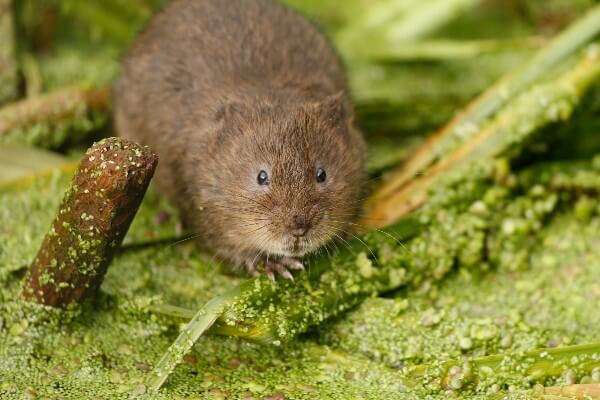
The Trust, reintroduced 100 Water Voles to a stretch of the Upper River Lea, near Wheathampstead, in collaboration with the Ayot Estate and Verulam Angling Club, and supported by volunteers, marking the species’ return to the river after more than 20 years.
Finding an endangered plant
The Trusts’ reserves team were delighted to discover Tubular Water Dropwort, a rare plant, which is listed as a Herts Species of Conservation Concern, at Rye Meads Nature Reserve, near Hoddesdon. The team found around 130 of the plants in the wetland meadow on the reserve – a triumph considering they were previously last recorded on the site in 2018.
Celebrating chalk rivers
The Trust held its first Herts Rivers Week to celebrate our local rivers and their importance with the community through a series of fun events, and called for their future protection at Westminster and with MPs.
Healthy wetlands support biodiversity, provide cleaner and safer drinking water, enhance water storage, mitigate flood risks, and improve water filtration. Crucially, they maintain healthy ecosystems, are homes for native wildlife, and they benefit our wellbeing. Find out more about the Trust and the work it is doing to protect and create vital wetland habitat at www.hertswildlifetrust.org.uk.
Image: Water vole © Paul Thrush